
Mental health has become an important part of the health conversation. For caregivers, it can be especially important. Caring for someone you love can be meaningful, but it can also bring stress and exhaustion.
In recognition of World Mental Health Day, Vitra Health sat down with Kathia Lambert, therapist and founder of KM Collaborative, to talk about caregiver mental health, the stigma around asking for help, and why culturally responsive therapy matters.
Caregivers spend so much time caring for others that their own needs can easily come last. Over time, this can lead to stress and burnout.
Kathia explained that caregivers may feel like they always need to be the strong one. But loving and caring for someone does not mean you cannot also feel tired or overwhelmed.
As Kathia put it, “If your cup is empty, how can you fill someone else’s cup?”
Taking care of your mental health is important for both you and the person you care for.
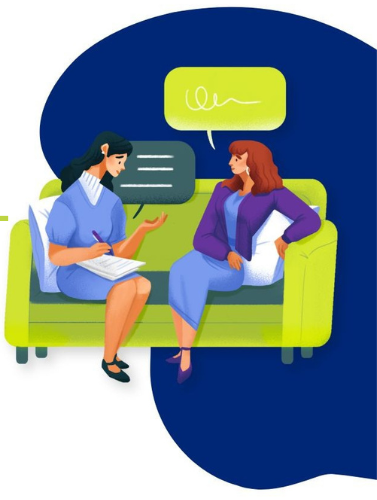
Kathia shared a few signs that may mean it is time to look for extra support:
You do not need to wait until things become unbearable. Small changes can be signs that it is time to talk to someone.
Starting therapy can feel intimidating, especially if you have never done it before.
A therapist can offer a private place to talk about what you are feeling without judgment. For caregivers, it may be one of the few spaces that is completely focused on them.
Kathia explained that therapy gives people a chance to put some of that weight down and receive support themselves.
Finding the right therapist can also take time. Kathia’s advice is simple: start small and be picky.
Your health insurance company or primary care provider can help you find a therapist. Online directories, such as Psychology Today, can also help you search by location, language, and other preferences.
Think about what would make you feel most comfortable. You may want a therapist who speaks your language, understands your cultural background, or offers virtual appointments. The right fit matters because therapy works best when you feel safe enough to open up.
For some families and cultures, talking about personal struggles outside of the home can feel uncomfortable.
Kathia shared that in many immigrant and minority communities, people are taught to stay strong and keep family matters private. This can make asking for help feel like a sign of weakness.
But seeking mental health support is another way of taking care of your health, just like visiting your doctor for a physical.
Kathia wants people to understand that therapy is not only for someone in a crisis. You can reach out when you are stressed, having trouble sleeping, feeling overwhelmed, or simply need a safe place to talk.
Our culture, language, family traditions, and life experiences can shape how we think about health, caregiving, stress, and asking for help.
A therapist does not need to have the exact same background as you. But they should listen, respect your experiences, and understand that culture can play an important role in your life.
